Understanding the psychology behind casino games How they influence player decisions
The Role of Cognitive Bias in Gambling
Cognitive biases play a significant role in how players interact with casino games. These biases can distort decision-making processes, often leading players to believe they have more control over outcomes than they actually do. For instance, the illusion of control bias might cause a poker player to think that they can influence the cards they receive. Such misconceptions can increase the amount of time and money a player is willing to invest, as they may feel confident in their ability to outsmart the game, exploring various sites for betting to enhance their strategies.
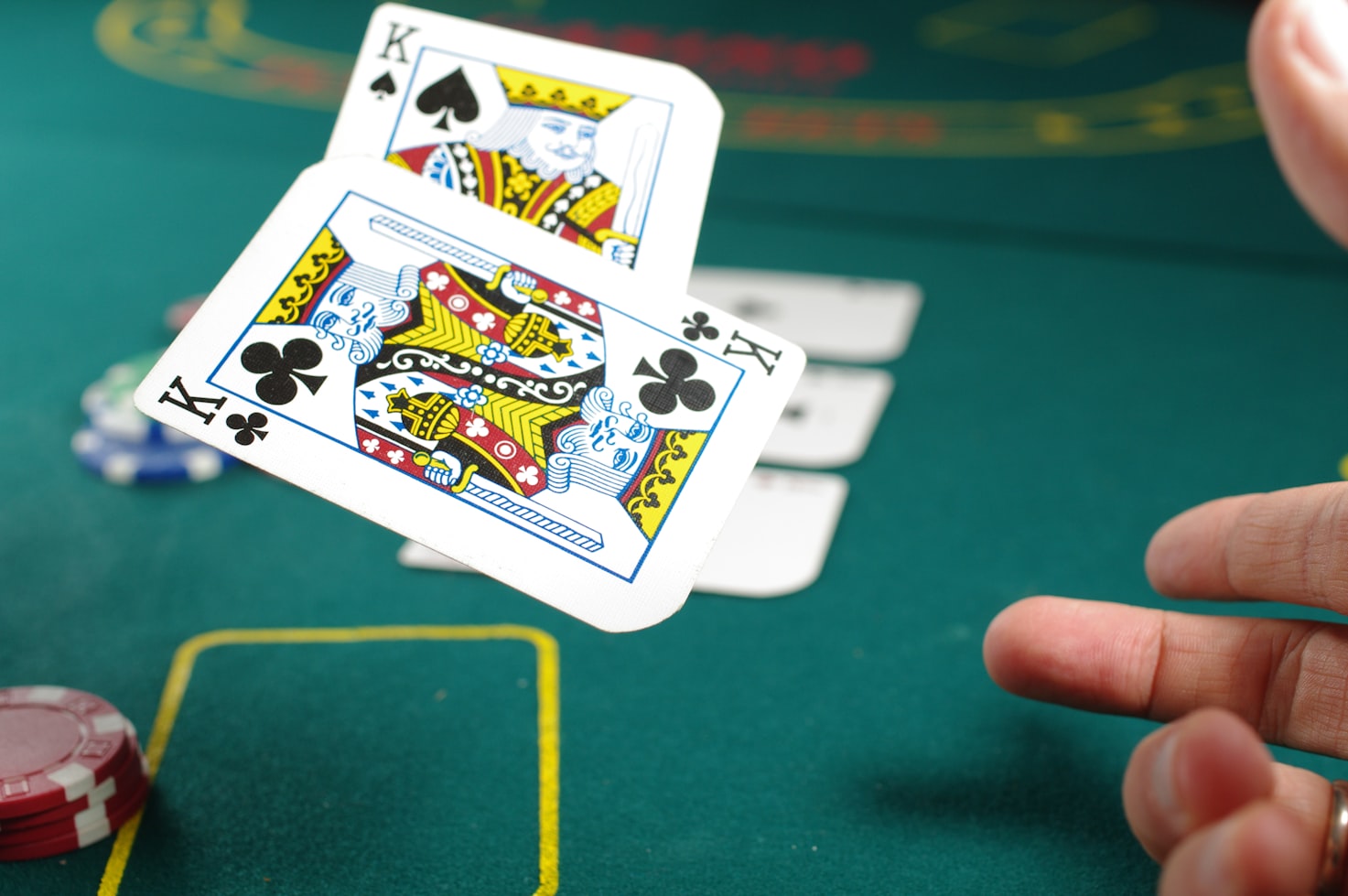
Additionally, the gambler’s fallacy—a belief that past random events can influence future outcomes—also shapes player behavior. For example, a player might think that a slot machine is “due” for a payout after not winning for several spins. This illusion can encourage continued play, as players chase losses with the anticipation of a big win, fueled by their mistaken understanding of probability.
The Impact of Reward Systems
Casino games are meticulously designed with reward systems that exploit psychological triggers. The anticipation of rewards, especially in slot machines and table games, can create a rush of excitement that keeps players engaged. These intermittent rewards, akin to a variable ratio reinforcement schedule, lead to repetitive behavior, as players become conditioned to keep playing in hopes of a big payoff.
The dopamine release associated with winning—or even the potential to win—can reinforce gambling behavior significantly. Casinos often utilize this understanding by designing games that provide players with small wins frequently, creating a sense of success that compels them to continue playing. This design not only maximizes player retention but also increases the likelihood of larger financial commitments over time.
The Influence of Social Factors
Social psychology also plays a crucial role in casino environments. The presence of other players can create a sense of community and excitement, often referred to as “social proof.” When individuals observe others winning or enjoying themselves, they may feel encouraged to participate, believing that their chances of success are higher. This phenomenon can lead to increased spending and longer play sessions, as players get swept up in the group’s energy.
Moreover, events like tournaments or themed nights attract groups, enhancing the social experience of gambling. The competitive atmosphere can lead individuals to gamble more aggressively than they typically would when playing alone. This influence highlights how the social dynamics within a casino can significantly impact player decisions and spending behavior.
The Psychological Effects of Losses
Understanding how players perceive losses is critical in the context of casino gaming. The concept of loss aversion suggests that the pain of losing money is more profound than the pleasure derived from winning the same amount. This principle can create a vicious cycle for gamblers, as they may continue to gamble to recoup their losses, convinced that they can turn their luck around.
This psychological drive can lead to increased risk-taking behavior, where players may wager larger amounts in an attempt to recover what they’ve lost. This mindset contributes to a potentially damaging cycle of gambling, where temporary highs from wins are eclipsed by the chronic stress of losses, ultimately leading to more reckless decision-making.

Exploring Responsible Gambling and Resources
Recognizing the psychological factors at play in casino gaming is essential for promoting responsible gambling. Many online platforms and casinos now offer resources to help players make informed decisions about their gambling behavior. These resources include tools for setting limits on spending, educational materials about the odds of various games, and support services for those who may be struggling with gambling addiction.
By fostering a greater understanding of the psychological elements influencing player decisions, both casinos and players can work towards a healthier gambling experience. Responsible gambling initiatives aim to create a safer environment that mitigates the risks associated with gambling while still allowing players to enjoy the entertainment value of casino games.